

When we talk about healthcare and community support, one name stands out: Sheth Jeebun. Sheth Jeebun has always emphasized a holistic approach to care that does not just focus on immediate needs but looks at the long-term well-being of individuals, families, and communities.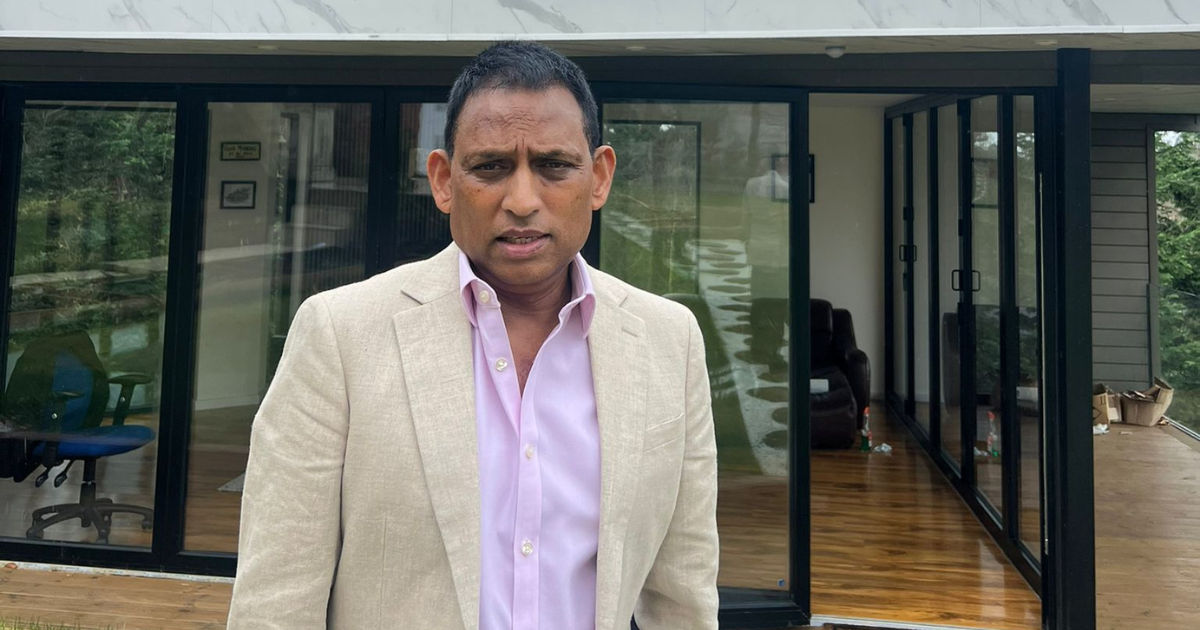
The concept of sustainable future care is central to his philosophy. It is about creating systems, practices, and mindsets that ensure people receive consistent, quality support while also protecting resources, promoting health education, and fostering social responsibility.
In this comprehensive guide, we will explore how Sheth Jeebun thinks about sustainable future care, including his principles, strategies, and the practical ways he ensures long-term health and wellness in the communities he serves.
Understanding the concept of sustainable future care requires a blend of foresight, compassion, and strategic planning. Sheth Jeebun believes that care cannot exist in isolation.
It is deeply intertwined with economic, environmental, and social factors. The approach encourages preventive measures, education, and community engagement, rather than just reactive interventions.
The Philosophy Behind Sheth Jeebun’s Approach
At the heart of Sheth Jeebun’s thinking is the belief that healthcare and community care are deeply connected. Health does not exist in a vacuum; it is influenced by lifestyle, environment, access to resources, and social support. Sustainable future care, therefore, is about ensuring that interventions today do not compromise the well-being of future generations.
Sheth Jeebun emphasizes long-term planning in healthcare. This involves investing in preventive care, training caregivers, and promoting awareness about health risks before they become crises. By doing so, communities are better equipped to handle challenges like chronic diseases, environmental hazards, or public health emergencies.
Another key aspect of his philosophy is empowerment. Sheth Jeebun believes that sustainable care is impossible without giving individuals and families the knowledge, tools, and confidence to make informed decisions about their health. This includes basic hygiene, nutrition, mental health awareness, and proactive engagement with medical services.
Integrating Environmental Sustainability into Healthcare
One of the unique aspects of Sheth Jeebun’s vision is the integration of environmental responsibility into healthcare. Sustainable future care is not just about treating patients; it is about protecting the resources that communities rely on.
For example, Sheth Jeebun supports eco-friendly medical practices such as reducing waste in clinics, using renewable energy for healthcare facilities, and promoting sustainable sourcing of medicines and equipment. This reduces the ecological footprint of healthcare systems while ensuring that communities retain access to clean water, air, and food—critical elements of long-term health.
He also advocates for green spaces in community planning. Parks, clean streets, and pollution-free zones contribute to mental and physical well-being, aligning perfectly with the principles of sustainable care. The integration of environmental sustainability ensures that the health of both the people and the planet is preserved.
Education as a Pillar of Sustainable Future Care
Education plays a central role in Sheth Jeebun’s model of care. Sustainable future care cannot exist without informed communities. By educating individuals about preventive healthcare, healthy lifestyles, and disease management, Sheth Jeebun ensures that communities are less dependent on reactive medical interventions.
Sheth Jeebun encourages community programs that teach essential skills, such as first aid, nutrition management, mental health awareness, and hygiene practices. Schools and local organizations are engaged in spreading this knowledge. The idea is to build resilience at the community level, making each individual an active participant in their own health journey.
Education also extends to caregivers and healthcare professionals. Training programs, workshops, and continuous learning opportunities ensure that medical staff are updated on best practices, ethical care, and sustainable methods of treatment. This approach strengthens the overall healthcare ecosystem.
Technology and Innovation in Sustainable Care
Sheth Jeebun understands the power of technology in shaping a sustainable future for care. Innovative tools such as telemedicine, health tracking apps, and AI-driven diagnostics are used to make healthcare more accessible, efficient, and proactive.
For example, telemedicine reduces the need for patients to travel long distances for consultations, lowering carbon emissions and saving time. Digital health records streamline patient information, making it easier for doctors to provide timely interventions. AI systems help predict outbreaks, monitor chronic conditions, and optimize resource allocation.
By integrating technology thoughtfully, Sheth Jeebun ensures that communities receive timely and accurate care while maintaining a balance with sustainability. Technology becomes a tool for long-term efficiency, not just a short-term fix.
Community Engagement and Participation
Sustainable care cannot be achieved solely through top-down interventions. Sheth Jeebun emphasizes community participation as a vital component. Communities are encouraged to contribute ideas, identify local health risks, and participate in programs.
Local health committees, volunteer initiatives, and awareness campaigns are examples of how community engagement is operationalized. This approach ensures that solutions are tailored to local needs and are culturally sensitive. It also fosters a sense of ownership, making health programs more effective and sustainable.
Furthermore, Sheth Jeebun’s approach recognizes that social support networks are crucial for well-being. Family, friends, and peer groups are mobilized to create supportive environments that encourage healthy choices and consistent care.
Economic Considerations in Sustainable Care
Financial sustainability is another critical aspect. Sheth Jeebun ensures that healthcare models are economically viable so they can be maintained over time. This includes creating affordable healthcare services, optimizing resource use, and supporting local healthcare providers.
Microinsurance schemes, community-funded health initiatives, and partnerships with private organizations are ways he balances cost with access. Sustainable future care must be financially feasible; otherwise, programs risk collapsing under economic pressure.
Additionally, economic empowerment of communities plays a role in long-term health. When individuals have stable incomes and access to essential services, they are more likely to make preventive health decisions and seek care early. Sheth Jeebun integrates economic development programs with health initiatives to maximize impact.
Mental Health and Holistic Care
A unique feature of Sheth Jeebun’s philosophy is the emphasis on mental and emotional well-being. Sustainable future care is not just physical—it addresses the mind, emotions, and social connections.
Programs supporting stress management, counseling, and social engagement are integrated into health systems. This reduces burnout among caregivers, improves patient outcomes, and builds resilient communities. By treating the individual holistically, Sheth Jeebun ensures that care is both effective and sustainable.
Partnerships for a Sustainable Future
Collaboration is central to Sheth Jeebun’s strategy. He believes that sustainable care requires partnerships between government agencies, NGOs, private companies, and local communities.
By pooling resources, sharing knowledge, and coordinating efforts, partnerships reduce duplication and maximize impact. For example, joint programs can deliver vaccination campaigns, nutrition education, and environmental health initiatives more efficiently than isolated efforts.
Sheth Jeebun also works with international organizations to bring global best practices to local communities, ensuring that sustainable care evolves with emerging health challenges.
Measuring Impact and Continuous Improvement
Sustainability requires continuous assessment. Sheth Jeebun emphasizes tracking outcomes, analyzing data, and refining programs. Metrics such as community health indicators, patient satisfaction, resource usage, and environmental impact are regularly monitored.
Feedback loops ensure that programs are adjusted based on real-world results. This approach not only improves effectiveness but also builds trust within communities, demonstrating that care is reliable and responsible.
Challenges and How Sheth Jeebun Addresses Them
Implementing sustainable future care is not without challenges. Limited resources, cultural resistance, and systemic inefficiencies can hinder progress.
Sheth Jeebun addresses these challenges through strategic planning, community dialogue, and innovation. Resource optimization ensures that even limited funds create maximum impact. Cultural sensitivity ensures that programs are accepted and effective. Continuous innovation addresses gaps and anticipates future health trends.
Moreover, Sheth Jeebun emphasizes resilience. Programs are designed to withstand crises, whether economic, environmental, or health-related, ensuring continuity of care for communities.
Conclusion
Sheth Jeebun’s approach to sustainable future care is a model of foresight, compassion, and responsibility. By integrating environmental stewardship, education, technology, community engagement, economic considerations, and mental health support, he creates a holistic system that benefits both present and future generations.
The emphasis on preventive care, empowerment, partnerships, and continuous improvement ensures that communities remain resilient and self-sufficient. Sustainable future care, as envisioned by Sheth Jeebun, is not just about health—it is about creating a world where individuals, families, and communities thrive together.
By following these principles, other healthcare leaders and communities can develop programs that are effective, sustainable, and transformative. Sheth Jeebun’s philosophy proves that long-term thinking, when paired with practical action, can create lasting positive change.
In essence, Sheth Jeebun teaches us that true care is sustainable care—care that nurtures the present without compromising the future. This vision of health and wellness is not just a goal but a continuous journey, one that requires dedication, innovation, and collective effort.
