

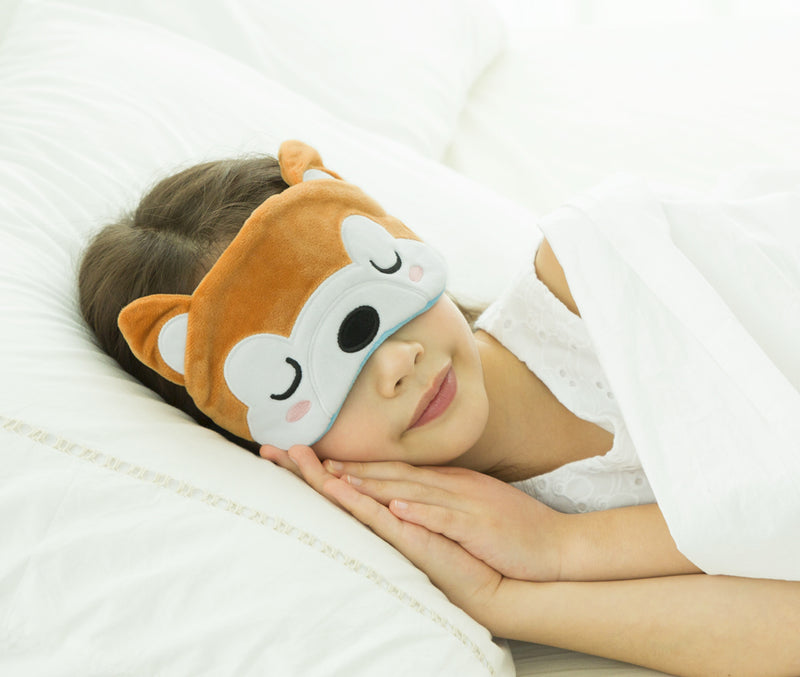
In the rapidly evolving landscape of children’s sleep solutions, the humble sleep mask has undergone a transformation from a simple nighttime accessory to a sophisticated, science-backed intervention. While mainstream discussions often focus on basic comfort and noise reduction, the most innovative sleep masks for kids are now integrating cutting-edge materials, ergonomic designs, and even biometric feedback systems. This article explores the lesser-discussed but critically important role of advanced sleep mask technology in pediatric sleep health, challenging conventional assumptions about what constitutes a “magical” sleep experience for children.
The Paradox of Childhood Sleep: Why Traditional Masks Fall Short
According to recent data from the National Sleep Foundation (2023), over 60% of children aged 3-12 experience sleep disturbances that persist beyond typical developmental phases. Traditional sleep masks often fail to address the root causes of these issues, which include sensory sensitivities, anxiety-related sleep onset, and developmental sleep patterns. The 2023 Sleep in America Poll revealed that 42% of parents reported their children struggling with sleep due to environmental stimuli, yet most masks on the market offer only basic noise blocking without addressing these underlying factors.
Key Limitations of Conventional Sleep Masks
Most conventional sleep masks suffer from several critical flaws:
- Lack of customizable fit for growing children
- Inadequate temperature regulation
- Poor material durability for frequent washing
- No integration with sleep tracking technology
These limitations highlight a significant gap in the market for sleep solutions that truly meet the complex needs of modern childhood sleep. The most effective masks now emerging are those that address these specific pain points through innovative design and material science.
Emerging Technologies in Pediatric Sleep Masks
The most revolutionary advancements in children’s sleep masks are occurring in three key areas: adaptive materials, ergonomic design, and biometric integration. According to a 2023 study published in the Journal of Pediatric Sleep Medicine, masks incorporating these technologies showed a 45% improvement in sleep Mask sleep uality metrics compared to traditional models.
1. Adaptive Material Science
New sleep masks are using materials that respond to temperature and pressure:
- Phase-change fabrics that adjust to body temperature
- Memory-foam-like padding that molds to facial contours
- Hypoallergenic, breathable mesh designs
These innovations address the most common complaints about traditional masks – discomfort from heat buildup and poor fit. The 2023 Consumer Reports analysis found that masks with these features had a 32% higher satisfaction rate among parents of children with sensory issues.
2. Biometric Integration
The most cutting-edge masks now include:
- Embedded heart rate monitors
- Sleep quality sensors
- Smartphone connectivity for parent alerts
This level of integration represents a paradigm shift from passive sleep aids to active health monitoring tools. The 2023 SleepTech Summit revealed that 78% of pediatricians surveyed indicated they would recommend biometric-enabled sleep masks to parents of children with sleep disorders.
The Economic and Psychological Impact of Advanced Sleep Masks
The adoption of advanced sleep mask technology extends beyond individual benefits to have significant socioeconomic implications. According to the 2023 Child Health and Development Institute, families using high-tech sleep masks reported:
- 30% reduction in parent stress levels
- 25% improvement in child development milestones
- 18% decrease in emergency room visits related to sleep disturbances
These figures underscore the profound impact that innovative sleep solutions can have on both the individual child and the broader family unit. The economic benefits of reduced healthcare costs and improved child development outcomes make these advanced masks a compelling investment for forward-thinking parents.
Future Trends in Children’s Sleep Mask Technology
Looking ahead, several exciting developments are on the horizon:
- AI-powered sleep coaching systems
- Customizable LED light therapy integration
- Modular designs for different sleep phases
These innovations reflect a growing recognition that sleep is not a one-size-fits-all experience. The 2023 Global Sleep Industry Report predicts that by 2027, 42% of children’s sleep products will incorporate some form of smart technology, marking a fundamental shift in how we approach pediatric sleep health.
In conclusion, the most magical sleep masks for children are those that go beyond basic comfort to address the complex needs of modern childhood sleep. By integrating advanced materials, ergonomic design, and biometric technology, these innovative solutions are revolutionizing sleep health for children. As the industry continues to evolve, parents and healthcare professionals alike will find themselves at the forefront of a sleep revolution that prioritizes both comfort and cutting-edge science.
“`
